Shopping Tips · 6 min read · Updated
How to Identify Mid Century Modern Furniture
Mid-century modern furniture is everywhere, from estate sales to big-box reproductions. Here is how to tell a genuine piece from the 1940s through the 1960s apart from a modern copy, and what to check before you buy.
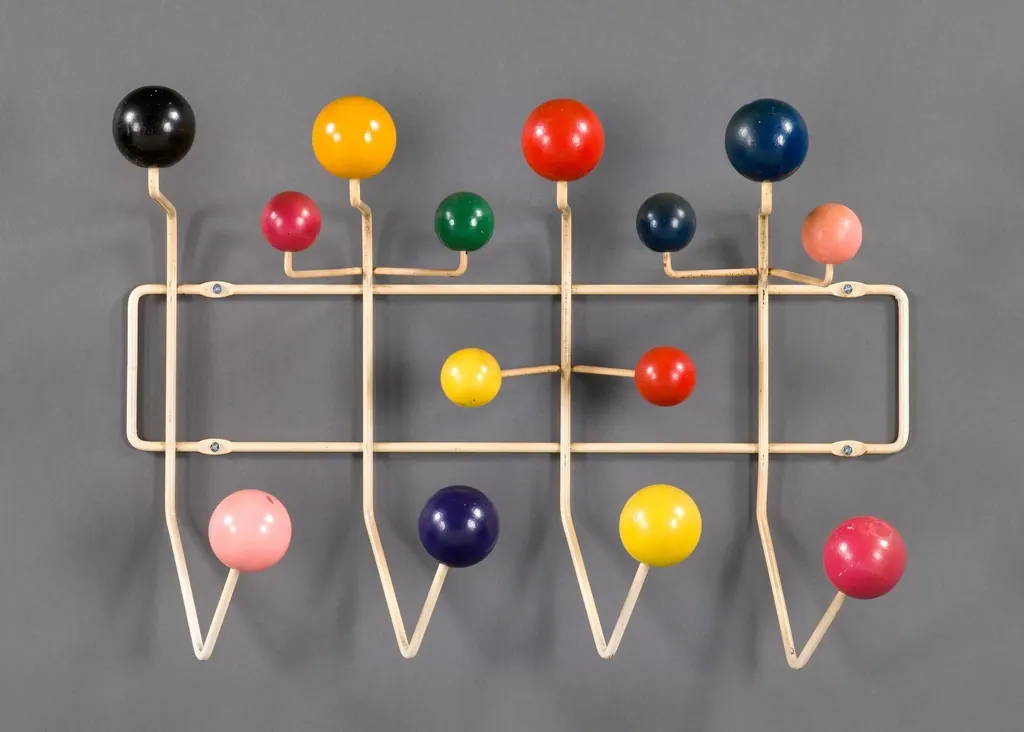
What Counts as Mid-Century Modern?
Mid-century modern generally refers to furniture and design from roughly the mid-1940s through the late 1960s. It is defined by clean lines, organic curves, minimal ornament and a love of natural wood paired with newer materials like molded plywood, fiberglass and metal. American and Scandinavian designers led the movement, and their influence was so strong that manufacturers have been copying the look ever since. That is why learning to identify originals matters.
1. Look at the Design Hallmarks
Start with the overall shape. Authentic pieces usually share a few traits:
- Tapered legs: slim, often angled outward, sometimes capped with brass sabots.
- Low, horizontal profiles: long credenzas, low dressers and sleek sideboards.
- Floating forms: case pieces raised on a separate base or legs so they appear to hover.
- Integrated pulls: handles carved or routed into drawer fronts rather than added on.
- Function first: sliding doors, hidden storage and modular pieces.
Design alone does not prove age, since reproductions copy these lines. But it tells you whether a piece is worth a closer look.
2. Identify the Wood
Teak
Teak is strongly associated with Danish and Scandinavian mid-century furniture. It has a warm golden to medium brown color, a straight, fine grain and a slightly oily feel. Older teak often glows with a rich patina.
Walnut
American mid-century makers used a lot of walnut. It is darker and cooler than teak, with chocolate tones and a more varied, sometimes swirling grain.
Rosewood
Rosewood is the luxury option, with dramatic dark streaks of purple, red and black. It was used on higher-end pieces and is valuable. Note that trade in some rosewood species is now restricted, so ask about documentation if you are buying or shipping a rosewood piece.
Other Materials
Oak, birch, maple and beech also appear, along with molded plywood, fiberglass shells and chrome or steel frames.
3. Examine the Joinery
Construction quality is one of the clearest signals.
- Dovetail joints on drawers, especially neatly cut ones, point to quality craftsmanship.
- Finger or box joints are also common on well-made pieces.
- Dowels and mortise-and-tenon joints in frames suggest solid construction.
- Staples, particleboard and lots of glue are warning signs of later or lower-quality pieces.
Pull a drawer all the way out and look at the sides, back and bottom. Solid wood drawer boxes and smooth runners are good signs.
4. Hunt for Labels and Stamps
Many manufacturers marked their furniture. Check:
- Inside the top drawer and on drawer sides.
- The back panel of case pieces.
- The underside of chairs, tables and seats.
- Inside cabinet doors.
Look for paper labels, metal tags, branded or burned-in logos, ink stamps and stenciled numbers. Some include a country of origin, such as Denmark, or a date code. Missing labels do not mean a piece is fake, since paper labels often fall off, but a label is strong supporting evidence. Be wary of labels that look brand new on an otherwise aged piece.
5. Spot Reproductions
Reproductions range from honest, licensed reissues to cheap knockoffs. Clues that a piece is newer:
- Even, uniform color with no natural aging or fading.
- Modern hardware, like plastic drawer glides or Phillips screws in visible places.
- Particleboard or MDF exposed on the back or inside.
- Proportions that feel slightly off: legs too thick, profiles too tall.
- Very light weight for its size.
- Fresh, crisp labels or a modern assembly sticker.
Honest wear tells a story. Look for gentle softening on edges, slight sun fading on tops and wear where hands naturally rest.
6. Assess Condition
Even a genuine piece needs a careful look before you buy.
- Veneer: check for lifting, bubbling, chips or water rings. Small lifts can be reglued; large missing sections are harder.
- Structure: wiggle legs and chairs. Loose joints are fixable; cracked legs need more work.
- Finish: dry or scratched finishes can often be revived with cleaning and oil. Avoid aggressive sanding, which can go right through veneer.
- Smell: musty odors may point to water damage or mold.
- Refinishing: some collectors prefer original finishes. A heavy, glossy refinish may lower value for purists.
Where to Find the Real Thing in Houston
Houston has plenty of mid-century homes, so genuine pieces turn up at estate sales, antique malls and markets. Mid-century modern is one of the signature categories at Vintique Flea, where you can talk directly with vendors about where a piece came from. Bring a flashlight and tape measure, review our flea market tips, and check the events page for the next market.
Want to sharpen your eye? Test yourself with What Decade Is It?
Gear we recommend
Affiliate disclosure: As an Amazon Associate, Vintique Flea earns from qualifying purchases. Prices and availability are set by Amazon and may change. Learn more.
Frequently asked questions
How can I tell if mid-century furniture is real or a reproduction?
Check for quality joinery like dovetails, original labels or stamps, natural aging and solid construction. Particleboard, modern hardware and uniform, unaged finishes suggest a newer piece.
What wood is most common in mid-century modern furniture?
Teak and walnut are the most common, with teak associated with Scandinavian pieces and walnut with many American makers. Rosewood was used on higher-end pieces.
Does a missing label mean the furniture is fake?
No. Paper labels often fall off over the decades. Judge the piece by its construction, materials and wear as well.
Should I refinish mid-century furniture?
Try gentle cleaning and oiling first. Heavy sanding can damage thin veneer, and many collectors value original finishes.