Decorating · 6 min read · Updated
How to Display Collectibles in Small Spaces
A great collection deserves to be seen, even if you live in a studio apartment. These display ideas help you show off vintage treasures without crowding your space or putting them at risk.
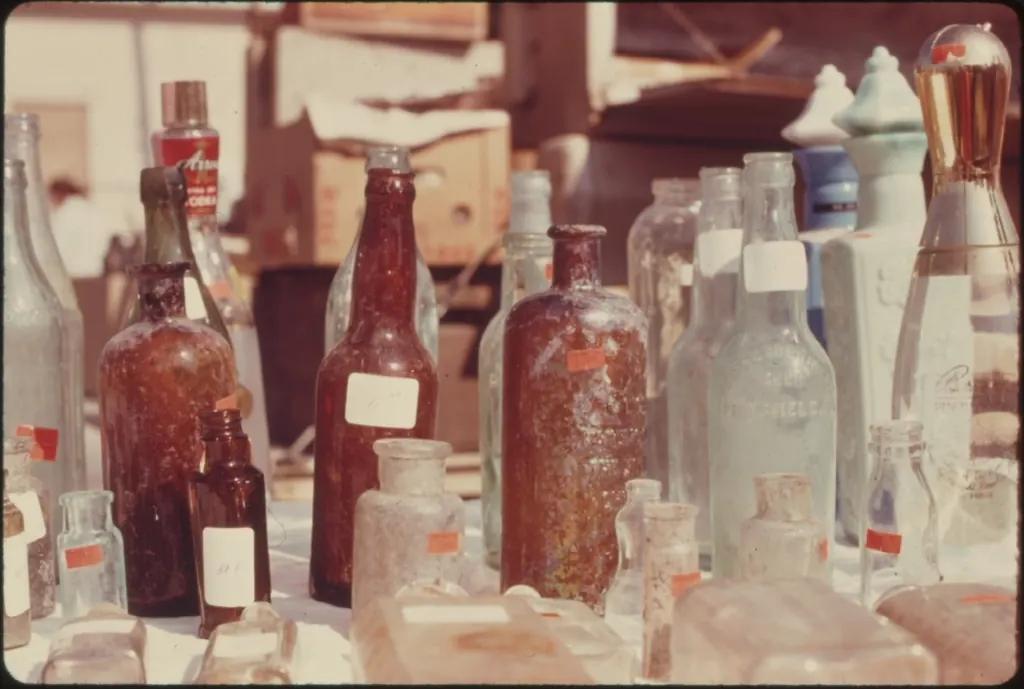
Start With What You Have
Before you buy shelves or frames, lay your collection out on a table or the floor. Look at it as a whole. Sort by type, color, size or era, and notice which pieces you love most. The goal is not to display everything; it is to display the best of it in a way that tells a story. Everything else can rotate in later.
Shelving That Works in Small Spaces
Go Vertical
When floor space is tight, walls become your best friend. Floating shelves, picture ledges and tall narrow bookcases let you build up instead of out. A run of shelves above a doorway or window is often wasted space that is perfect for a row of vintage bottles, books or tins.
Use Furniture That Doubles as Display
- A mid-century credenza holds records inside and a curated group of ceramics on top.
- A glass-front cabinet protects fragile pieces from dust and curious pets.
- An old printer's tray or type case is made for tiny objects like thimbles, figurines and marbles.
- A salvaged ladder leaned against the wall can hold textiles or small baskets.
Mind the Depth
In small rooms, shallow shelves are better than deep ones. Items get lost at the back of deep shelves, and shallow ones keep walkways clear. Use risers to lift back-row pieces if you need two layers.
Shadow Boxes and Frames
Shadow boxes are ideal for flat or small items that would otherwise live in a drawer: vintage postcards, matchbooks, buttons, patches, pins, old keys or a family recipe card. Group several boxes in a tight grid for a gallery-style wall that takes up no floor space at all.
How to Group for Impact
A single small object can look like clutter. Five of the same kind grouped together look like a collection. Some simple ways to group:
- By color: a shelf of green glass, or all-white ironstone.
- By shape: a cluster of round pottery, or a line of tall bottles.
- By odd numbers: groups of three or five feel more natural than pairs.
- By height: arrange from tall to short, or tallest in the middle, to create a pleasing line.
- With breathing room: leave space between groups so each one reads clearly.
Our guide to mixing patterns and textures covers how to balance busy items with calm surfaces.
Rotate Your Collection
Rotation is the secret weapon of small-space collectors. Keep only part of your collection out at a time and store the rest carefully. Swap pieces with the seasons, or when you bring home a new find from Vintique Flea. Rotation keeps the display fresh, reduces dust, limits light exposure and makes you notice your favorites all over again.
- Store off-display items in labeled, padded boxes.
- Wrap glass and ceramics individually in acid-free tissue or soft cloth.
- Keep a simple list or photos so you remember what you have.
Conservation Basics
You do not have to be a museum to protect your things. A few habits go a long way, especially in Houston's heat and humidity.
Light
Direct sunlight fades fabrics, paper, photographs and some plastics surprisingly fast. Keep these away from bright windows or use UV-filtering glass.
Humidity and Heat
Our humid climate can encourage mold, rust and warping. Keep collections in climate-controlled rooms, not attics or garages, and avoid outside walls that get hot. A small dehumidifier can help in closets.
Handling and Cleaning
- Handle by the sturdiest part, not handles or rims.
- Dust gently with a soft brush. Skip harsh cleaners on original finishes.
- Do not over-polish metals or refinish antiques; patina is often part of the value.
Earthquake-Style Safety
Houston is not earthquake country, but slammed doors, pets and kids are. Museum putty under fragile items keeps them from walking off shelves.
Displaying Specific Collections
- Records: store upright, and display a few favorite covers on a picture ledge. Browse our vinyl and retro picks.
- Barware: a bar cart or open shelf of vintage glassware is both display and function.
- Small antiques: cloches and glass domes protect and spotlight special pieces. See antiques and collectibles.
Ready to grow your collection? Bring a list of what you already own and a few measurements of open shelf space when you shop, so you buy pieces that fit both your collection and your walls. A curated market like Vintique Flea is a great place to fill gaps, because you can see many dealers in one afternoon and ask each one about condition and history. Check the events page for the next market.
Gear we recommend
Affiliate disclosure: As an Amazon Associate, Vintique Flea earns from qualifying purchases. Prices and availability are set by Amazon and may change. Learn more.
Frequently asked questions
How do I display a lot of collectibles without it looking cluttered?
Group similar items together, leave space between groups and display only part of your collection at a time. Rotating pieces keeps things fresh and uncluttered.
What is the best way to protect collectibles from sun damage?
Keep fragile items like textiles, paper and photos out of direct sunlight, or use UV-filtering glass in frames and cabinets.
Should I clean or polish vintage collectibles?
Gentle dusting is usually enough. Avoid harsh cleaners and heavy polishing, since original finishes and patina often add to an item's character and value.