Decorating · 6 min read · Updated
Mixing Patterns and Textures With Vintage Finds in Small Spaces
A small room full of vintage can feel cozy and collected or cluttered and loud. The difference usually comes down to a few simple rules for mixing patterns and textures, and they are easy to learn.
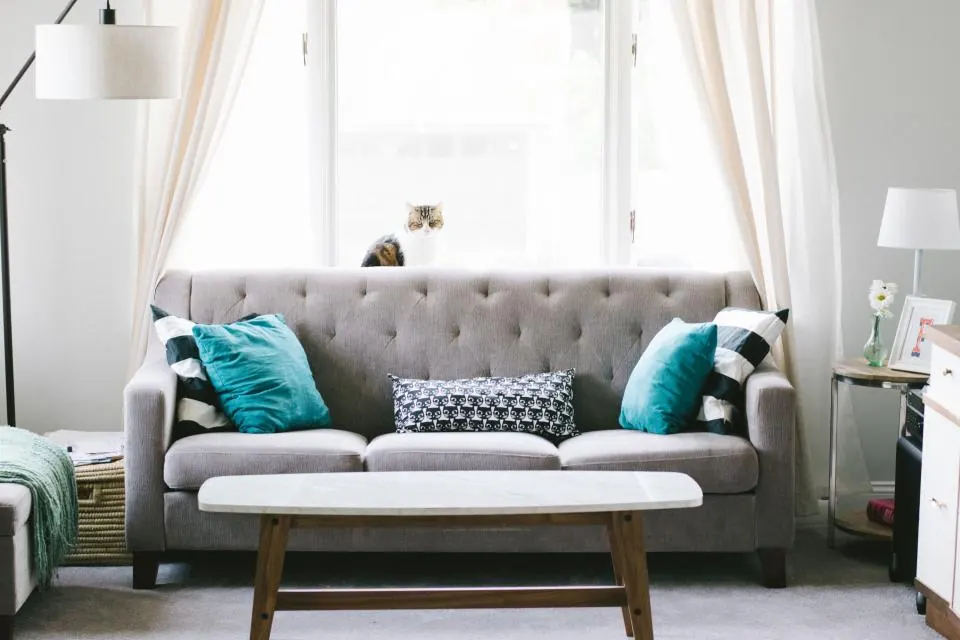
Why Mixing Works in Small Spaces
There is a myth that small rooms need to be plain. In reality, a thoughtful mix of patterns and textures can make a small space feel richer and more intentional, the way a well-loved apartment in an old building feels. Vintage finds are perfect for this because they come with built-in character: worn wood, faded florals, nubby wool, hammered brass. The trick is giving all that character a framework so it reads as a story rather than a pile.
Start With a Color Anchor
Before you think about patterns, pick two or three colors that will tie the room together. The easiest way is to pull them from one piece you already love, like a vintage rug, a quilt, or a painting.
- One dominant color for about 60 percent of the room, often walls and large furniture.
- One secondary color for about 30 percent, like upholstery, curtains or a rug.
- One accent for the last 10 percent: pillows, a lamp, a piece of glassware.
Once your colors are set, almost any pattern within that palette will play nicely with the others.
Vary the Scale of Your Patterns
The most common mistake is using several patterns that are all the same size. They compete. Instead, mix:
- One large-scale pattern, like a bold floral, a big geometric rug or a graphic mid-century print.
- One medium-scale pattern, like a plaid, a paisley or a botanical.
- One small-scale pattern that reads almost as texture from across the room, like a tiny check, pinstripe or ticking.
In a small room, let the large pattern live on one item only. A vintage rug or a single upholstered chair is plenty.
Texture Is Your Secret Weapon
When a room feels flat but you do not want more pattern, add texture. Texture adds depth without visual noise, which is ideal for tight spaces.
Textures That Pair Well With Vintage
- Wood grain: the warm teak and walnut of mid-century modern pieces.
- Metal: brass, copper or patinated iron from salvage and industrial finds.
- Woven: rattan, cane, jute and wicker.
- Soft: wool throws, velvet pillows, mohair, chenille.
- Rough: chippy painted wood, terracotta, stoneware.
- Smooth: glass, lacquer, glazed ceramics.
A good rule: every corner of the room should have at least one smooth surface and one rough or soft one. A glossy ceramic lamp on a weathered wood crate, for example, is instantly more interesting than either alone.
Room-by-Room Ideas
Living Room
Start with a vintage rug as your large pattern. Add a solid sofa, then layer pillows in a medium plaid and a small stripe drawn from the rug's colors. Finish with a rattan side table and a brass lamp for texture.
Bedroom
Let a vintage quilt carry the pattern. Keep sheets solid or finely striped, and add texture with a linen duvet, a wool blanket at the foot of the bed and a rustic wood nightstand.
Kitchen and Dining
Mix patterned vintage tea towels and tablecloths with solid stoneware. Vintage glassware in a single color family adds sparkle without clutter.
Common Mistakes to Avoid
- Matching everything. A full set of identical prints looks like a showroom, not a home. Let pieces relate rather than match.
- Ignoring the walls. A bold wallpaper counts as your large-scale pattern, so keep the rest of the room quieter.
- Forgetting rest spots. Your eye needs somewhere calm to land. A solid sofa, a plain wall or a bare tabletop gives every pattern more impact.
- All one era. A room of only 1970s pieces can feel like a costume. Mixing decades feels collected over time.
Editing: The Most Important Step
Small spaces do not forgive excess. Once you have layered, step back and remove one thing. Then remove another. Ask whether each item supports your color palette and adds either pattern or texture the room actually needs. Rotate extras seasonally instead of displaying everything at once. Our guide to displaying collectibles in small spaces has more on rotation.
Shopping With a Plan
When you head to a market like Vintique Flea, bring a photo of your room and a fabric scrap or paint chip. It is much easier to know whether a gorgeous vintage throw will work when you can hold it next to your sofa color. You will also find that vintage clothing booths are a surprising source of textiles: old scarves make great framed art or pillow covers.
Want to test your eye first? Try our Room Designer game or take the Vintage Style Quiz to figure out which mix suits you.
Gear we recommend
Fabric Swatch Storage Box
Keep fabric scraps and swatches handy for matching at the market.
Linen Throw Pillow Covers
Solid textured covers give busy vintage prints room to breathe.
Affiliate disclosure: As an Amazon Associate, Vintique Flea earns from qualifying purchases. Prices and availability are set by Amazon and may change. Learn more.
Frequently asked questions
How many patterns can I use in one small room?
Three is a good starting point: one large, one medium and one small-scale pattern, all within a shared color palette. Add more variety through texture instead of more pattern.
How do I mix vintage and modern patterns?
Tie them together with color. If a modern stripe and a vintage floral share one or two colors, they will look intentional side by side.
What textures go with mid-century modern furniture?
Warm wood pairs beautifully with nubby wool, brass, woven cane and smooth glazed ceramics. Aim for a mix of smooth and soft surfaces.